


Transportation Engineering Design
Transportation engineering is a vital part of civil engineering that ensures people, vehicles, and goods can move safely and efficiently within a development. With over 12 years of transportation design experience, our expertise supports well-planned road networks, improved traffic flow, and enhanced community connectivity.
project we establish relationships with partners who we know will help us create added value for your project.
– SHEMIN, FOUNDER


1. Planning Safe and Efficient Road Networks
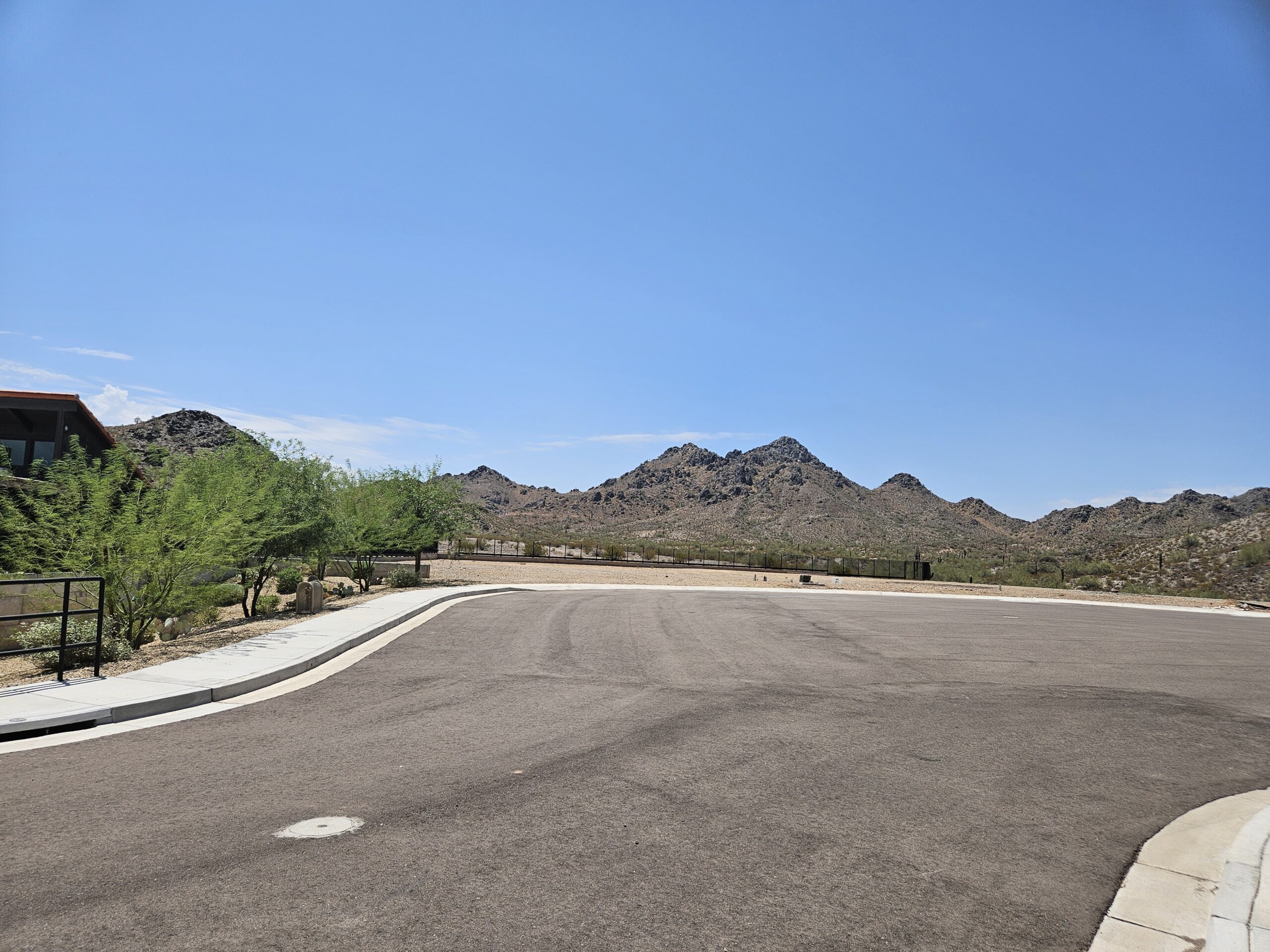
Every development requires a transportation layout that allows users to navigate easily. Engineers analyze terrain, access points, site activity, and expected traffic to design roads that promote smooth movement.
Key elements include:
- Road alignment
- Lane configuration
- Turning radii
- Sight distance
- Intersection design
- Traffic control measures
A well-designed road network minimizes congestion and improves safety for all users.
2. Traffic Flow Optimization
Transportation engineers study traffic patterns to understand how vehicles move through a site. Through traffic modeling, they determine the best road widths, turning lanes, entry points, and signals.
This helps:
- Reduce bottlenecks
- Prevent conflicts at intersections
- Improve emergency access
- Support pedestrian and cyclist safety
- Ensure efficient circulation during peak hours
Good traffic flow creates a more efficient and user-friendly development.
3. Pedestrian and Non-Motorized Transport Design
Modern developments prioritize walkability. Engineers design safe pathways, crossings, sidewalks, and cycling routes that allow residents and visitors to move comfortably without vehicles.
This reduces traffic pressure and supports a healthier, greener community.
4. Parking Layout and Site Circulation
Parking is a major part of transportation design. Engineers plan:
- Parking stall arrangements
- Drive aisles
- Entry and exit points
- ADA accessibility
- Loading zones
- Drop-off areas
A clear circulation plan ensures users can find parking easily and navigate the site safely.
5. Regulatory Compliance & Safety Standards
Transportation designs must meet national guidelines and municipal requirements. Engineers prepare drawings, traffic reports, and safety assessments to ensure every design follows:
- Road design standards
- Access management rules
- Traffic signal regulations
- Safety codes
Compliance ensures smoother approvals and long-term roadway performance.
Transportation engineering design is essential for creating safe, accessible, and efficient developments. With thoughtful planning and expert analysis, engineers shape movement systems that support modern lifestyles and community growth.