




Why Civil Engineering Design Matters
Land development is the foundation of every successful construction project. Whether it’s a residential community, commercial center, or industrial facility, proper engineering ensures that the land is safe, functional, and ready for long-term use. With over 12 years of civil engineering experience in land development, our approach combines technical precision with practical solutions to create well-designed, sustainable sites.
“The more we know, the better we can build.”
– John Smeaton


1. Turning Raw Land Into Build-Ready Space
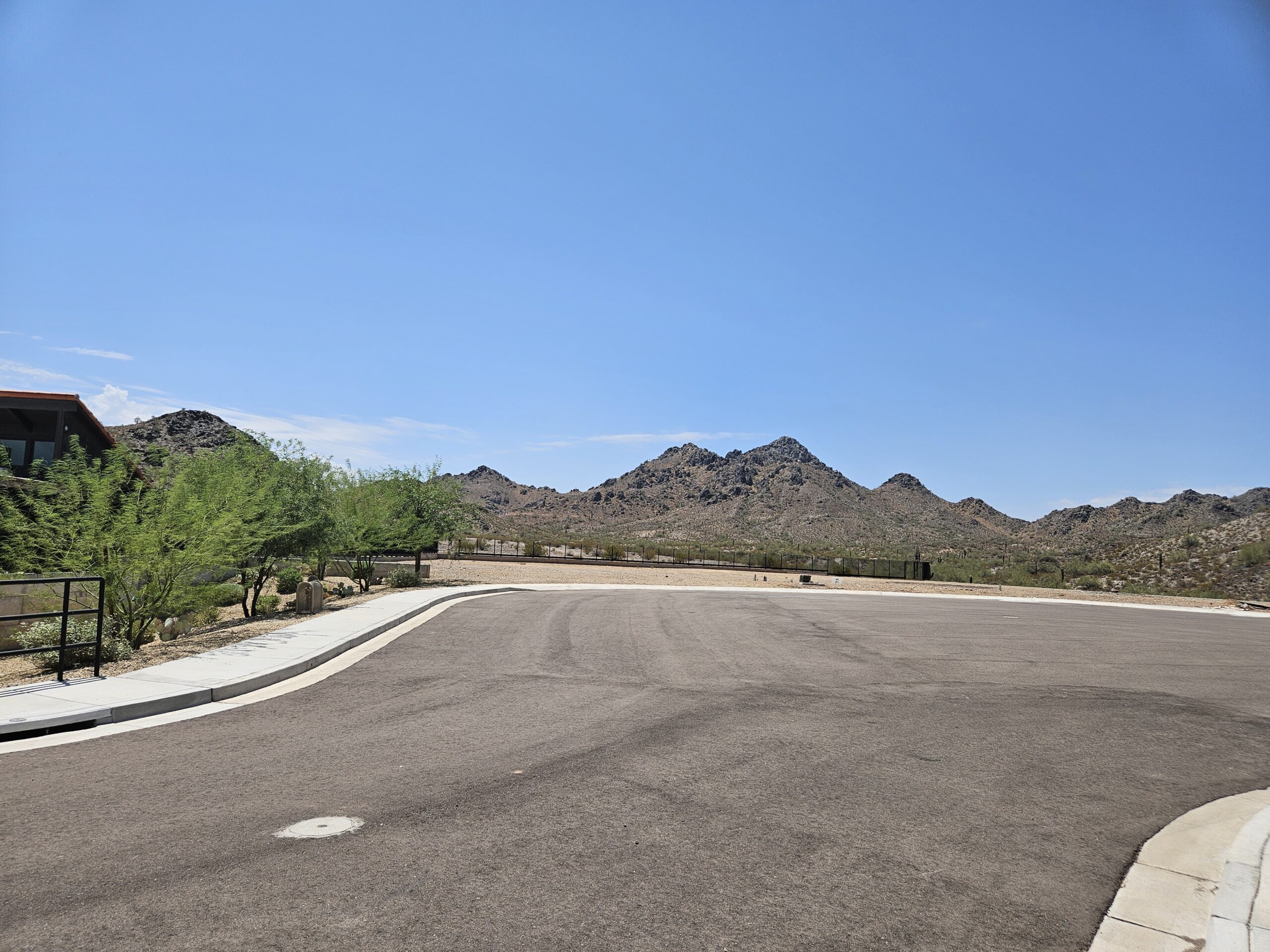
Land development begins with evaluating the site’s natural conditions. Engineers study topography, soil composition, drainage patterns, vegetation, and existing infrastructure. This helps determine what the land can support and how it should be shaped for construction.
Through detailed grading, contouring, and land planning, civil engineers create a stable base that minimizes environmental risks and prepares the site for buildings, roads, and utilities.
2. Smart Site Layout & Master Planning
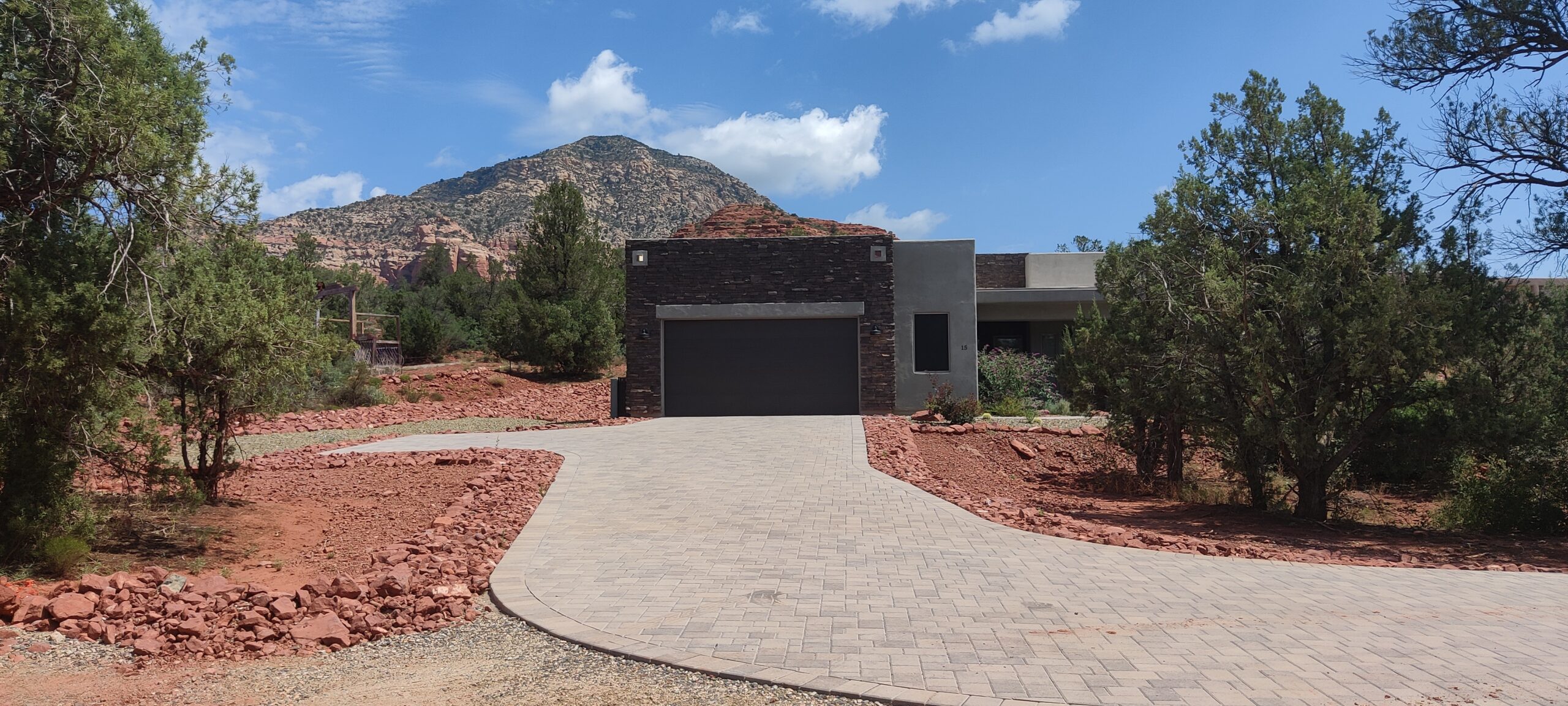
A well-planned site is essential for functionality, safety, and future expansion. Civil engineers design:
- Building placements
- Road layouts
- Pedestrian routes
- Open spaces
- Utility corridors
- Parking arrangements
- Access and circulation paths
These elements work together to create a development that is efficient, easy to navigate, and aligned with zoning regulations.
3. Drainage and Erosion Control
Land development requires proper water flow management even before drainage systems are designed. Engineers analyze natural water movement to prevent erosion, protect slopes, and reduce the risk of flooding.
Using modern modeling tools and design strategies, they ensure water is directed safely across the property—protecting both the project and neighboring areas.
4. Regulatory Approvals & Compliance
Every land development project must meet local planning, environmental, and building standards. Engineers prepare:
- Concept plans
- Grading plans
- Site development drawings
- Environmental impact assessments
- Permit documentation
This expertise accelerates approvals and minimizes costly project delays.
5. Sustainable Development for the Future
Modern land development is not just about building—it’s about creating long-term value. Engineers incorporate sustainability by preserving natural features, reducing earthwork, maximizing land efficiency, and designing eco-friendly spaces that support community growth.
Expert civil engineering design is essential for transforming land into safe, functional, and sustainable developments. With the right planning and execution, every project begins on a strong foundation.