




The Importance of Water & Wastewater Distribution Systems in Modern Civil Engineering
Reliable water supply and wastewater management are the backbone of any functional community. Civil engineers play a critical role in designing systems that deliver clean water to homes and businesses while safely removing wastewater. With over 12 years of experience, our team ensures these systems are safe, efficient, and sustainable
1. Designing Efficient Water Supply Systems
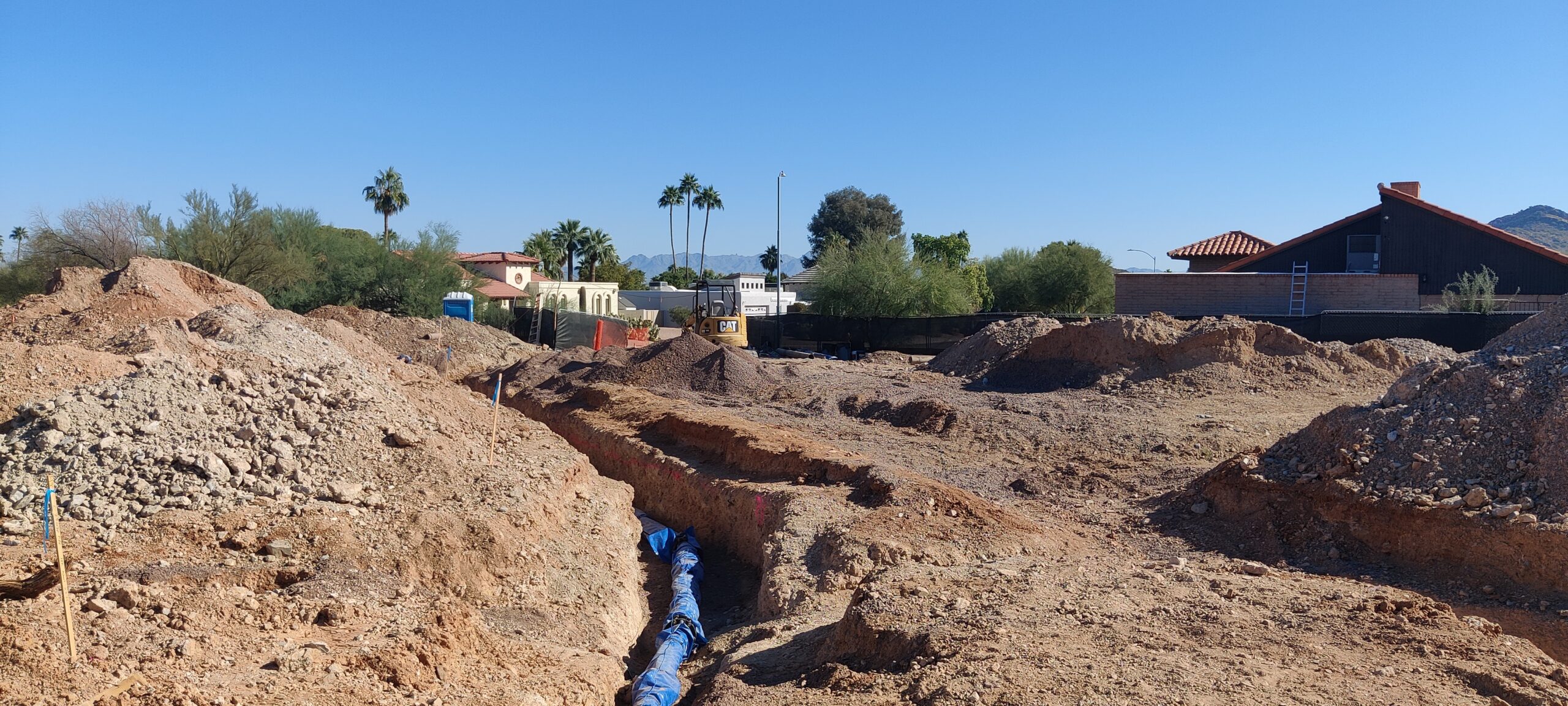
A well-planned water distribution system provides continuous, safe, and reliable water. Engineers design pipelines, storage tanks, pumping stations, and valves to ensure water reaches every part of a development without interruption. Proper pressure management and network layout prevent leaks, contamination, and supply shortages.
2. Planning Wastewater Collection & Treatment
Wastewater management is equally important for public health and environmental protection. Civil engineers design sewer networks, treatment plants, and pumping stations to safely collect, transport, and treat wastewater. Effective design prevents blockages, overflows, and pollution of nearby water bodies.
3. Protecting Public Health & the Environment
Clean water supply and proper wastewater disposal protect communities from waterborne diseases. Engineers also consider environmental sustainability by minimizing energy consumption, controlling discharges, and reducing water loss. Advanced monitoring and maintenance planning ensure long-term system reliability.
4. Regulatory Compliance
Water and wastewater systems must meet strict national and local regulations. Engineers prepare detailed plans, hydraulic calculations, and reports to comply with:
- Public health standards
- Environmental regulations
- Water quality requirements
- Municipal permitting procedures
This ensures projects are approved quickly and function effectively for decades.
5. Supporting Sustainable Development
Modern civil engineering emphasizes sustainability. Engineers incorporate:
- Water-efficient technologies
- Reuse and recycling strategies
- Leak detection systems
- Long-term maintenance planning
These measures reduce environmental impact and make developments more resilient to future growth and climate challenges.
Water and wastewater distribution systems are vital to the health, safety, and sustainability of any community. With expert civil engineering design, these systems deliver clean water efficiently and manage wastewater responsibly, supporting thriving, well-planned developments.